
A Proven Framework to Optimize Phone Lead Conversion Rates
Transform inbound calls into your most reliable revenue stream. This framework shows you how to systematically optimize phone lead conversion from first click to closed deal.

By Leander Crowe
In an era dominated by digital forms and chatbots, the phone call remains the most powerful conversion tool in your arsenal. A ringing phone represents a live, high-intent prospect, ready to engage. Yet, for many businesses, this critical moment is left to chance, resulting in missed opportunities and wasted ad spend. The difference between a closed deal and a dead end isn’t just about getting the phone to ring, it’s about systematically engineering every step of the call experience to guide the prospect to a ‘yes.’ To truly optimize phone lead conversion, you must move beyond basic call tracking and build a holistic strategy that connects marketing, technology, and human skill.
Understanding the Modern Phone Lead Journey
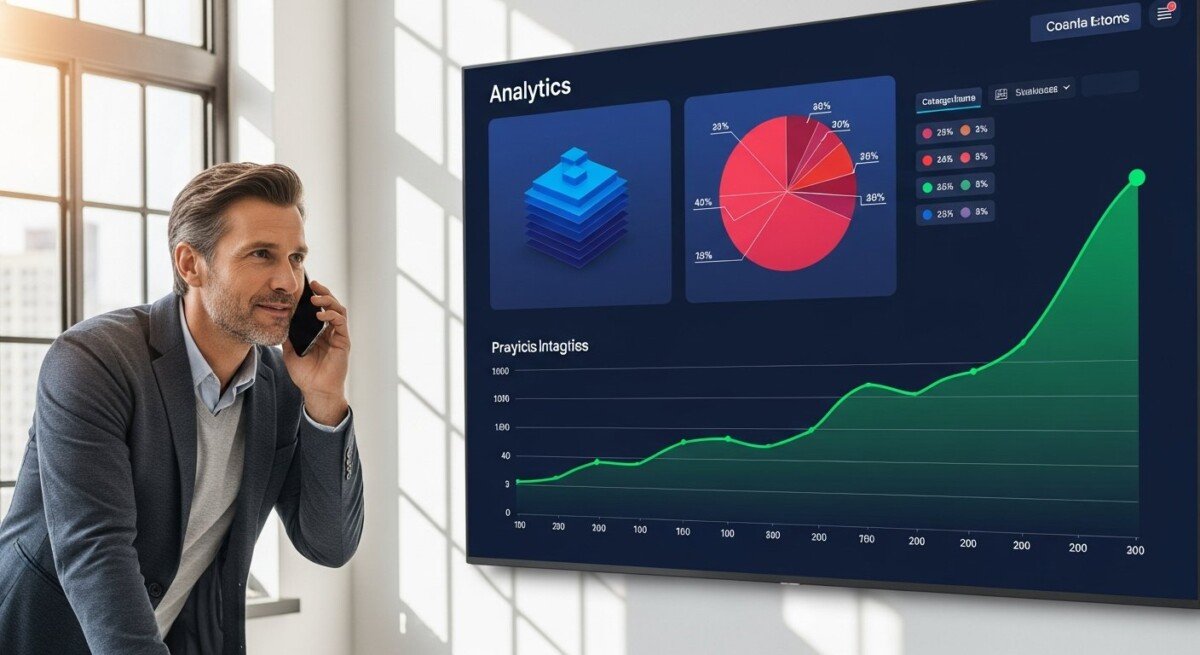
The journey to a phone call has evolved. A lead rarely sees your ad and immediately dials. Instead, they may click a search ad on their phone, visit your website to check reviews, then call hours later from their desktop after a second thought. This non-linear path makes attribution complex. Without a clear view of which campaigns and keywords drive valuable conversations, you cannot effectively allocate budget. The first step to optimize phone lead conversion is implementing sophisticated call tracking and analytics. This technology assigns unique phone numbers to different marketing channels (PPC, social, organic search), allowing you to see not just that a call happened, but why it happened. More advanced solutions can even track the caller’s entire digital journey, providing context that is invaluable for the agent who answers.
This data reveals powerful insights. You can identify which ad copy prompts immediate calls versus which drives research-first behavior. You can see if calls from mobile ads have higher conversion rates but shorter duration. This intelligence allows you to tailor your entire approach, from bid adjustments to script development, based on the lead’s origin and intent. For a deeper dive into connecting call data to financial outcomes, our resource on how to optimize phone call conversions for maximum ROI provides essential frameworks.
Engineering the Pre-Call Experience for Higher Intent
Optimization begins long before the ring. The messaging and user experience that prompts the call sets the tone for the entire interaction. Your goal is to attract qualified leads and prepare them for a productive conversation. Vague ‘Contact Us’ buttons generate low-quality calls, while specific, benefit-driven calls-to-action (CTAs) attract better-fit prospects.
Consider these critical elements of the pre-call experience. First, your CTA copy should promise a clear outcome. ‘Call for a Free Roof Inspection’ is better than ‘Call Us Today.’ Second, ensure your phone number is prominently displayed and clickable on mobile devices (click-to-call). Third, provide immediate context near the number, such as ‘Speak with a Licensed Advisor’ or ‘Current Wait: Less than 2 minutes.’ This manages expectations and increases confidence. Finally, if possible, use dynamic number insertion to show a local area code based on the visitor’s location, which can boost call volume by up to 30%. By aligning your marketing promises with the service your phone agents provide, you create a seamless bridge that increases conversion likelihood.
Mastering the Call Handling and Agent Performance Process
This is the crucible where conversion happens. How your team handles the inbound call determines success or failure. It’s not a passive receptionist role, it’s an active sales and service position. To optimize phone lead conversion at this stage, you need a blend of technology, training, and process.
Start with call routing. Ensure calls are directed to the most qualified agent or team based on time, language, campaign source, or expertise. A missed call or a long hold time is a catastrophic failure. Next, equip agents with a robust script or playbook that serves as a guide, not a rigid monologue. This playbook should include key qualification questions, value propositions, and objection handlers tailored to different lead sources. For instance, a call from a ‘same-day service’ ad should be handled with urgency, while a call from a ‘comparison guide’ blog post may need more education.
Most importantly, you must consistently monitor and coach agent performance. This requires call recording and scoring. Listen to calls regularly and evaluate agents on a consistent scorecard. Key metrics often include:
- Greeting and Introduction: Does the agent state the company name, their name, and offer assistance?
- Qualification: Do they ask essential questions to understand need, budget, and timeline?
- Value Articulation: Do they clearly explain benefits, not just features?
- Objection Handling: Do they listen and respond to concerns effectively?
- Call to Action: Do they confidently ask for the next step (appointment, sale, consultation)?
Regular feedback and training sessions based on these recordings are non-negotiable for continuous improvement. This human element is where many technical strategies fail, making it the highest leverage point in your entire framework.
Leveraging Post-Call Analytics for Continuous Optimization
The work doesn’t end when the call ends. Post-call analysis is the engine of refinement. By synthesizing data from your call tracking platform and your CRM, you can close the loop and understand what truly drives revenue. This means going beyond ‘call duration’ and measuring outcomes: Was an appointment set? Was a sale made? What was the value?
By connecting call source data to ultimate conversion and customer value, you can calculate your true cost-per-acquisition (CPA) and return on ad spend (ROAS) for each channel. You may discover that while social media drives more calls, your PPC campaigns drive more valuable, long-term clients. This allows you to shift budget intelligently. Furthermore, analyzing call transcriptions (using AI tools) can uncover common themes, frequent objections, or competitor mentions that you hadn’t anticipated. This intelligence feeds back into your marketing messaging and agent training, creating a powerful virtuous cycle. Integrating these analytics into a broader performance marketing strategy is key, as detailed in our analysis of maximizing ROI through call conversion optimization.
Frequently Asked Questions on Phone Lead Conversion
What is the single most important metric for phone leads?
While volume and duration matter, the ultimate metric is conversion rate per call. This measures the percentage of calls that result in a desired outcome (sale, appointment, qualified lead). Tracking this by source provides the clearest picture of marketing effectiveness.
How can I reduce unqualified calls from my ads?
Review your ad copy and landing pages. Are you attracting ‘information seekers’ or ‘buyers’? Use more specific CTAs (‘Call for a Quote’ vs. ‘Learn More’). Implement a short qualifying message or button before displaying the phone number (e.g., ‘Are you the decision-maker?’).
Is call recording legally required?
Laws vary by region (state, country). In many places, you must inform the caller that the call is being recorded, often via a pre-recorded message. Always consult with legal counsel to establish a compliant call recording policy for your business.
How do I train agents to sound natural with a script?
Frame the script as a conversation guide with key bullet points, not a word-for-word document. Role-play different scenarios. Encourage agents to listen more than they talk and to adapt the guide to the natural flow of the conversation. The goal is consistency of message, not robotic delivery.
Can I use AI to help optimize calls?
Absolutely. AI-powered conversation analytics can transcribe calls in real-time, provide agent sentiment analysis, highlight key moments, and even suggest next steps or knowledge base articles to agents during the call. This technology is becoming a core component for businesses serious about scaling their phone conversion efforts. The strategic application of such tools is a cornerstone of advanced phone call conversion optimization.
Optimizing phone lead conversion is not a one-time project but an ongoing discipline. It demands a strategic integration of your marketing data, your technological infrastructure, and most critically, your people. By mapping the entire caller journey, from first click to final follow-up, and relentlessly improving each touchpoint, you transform your phone line from a cost center into your most predictable and profitable revenue channel. The businesses that master this process will consistently outperform competitors who still view the ringing phone as an interruption.