
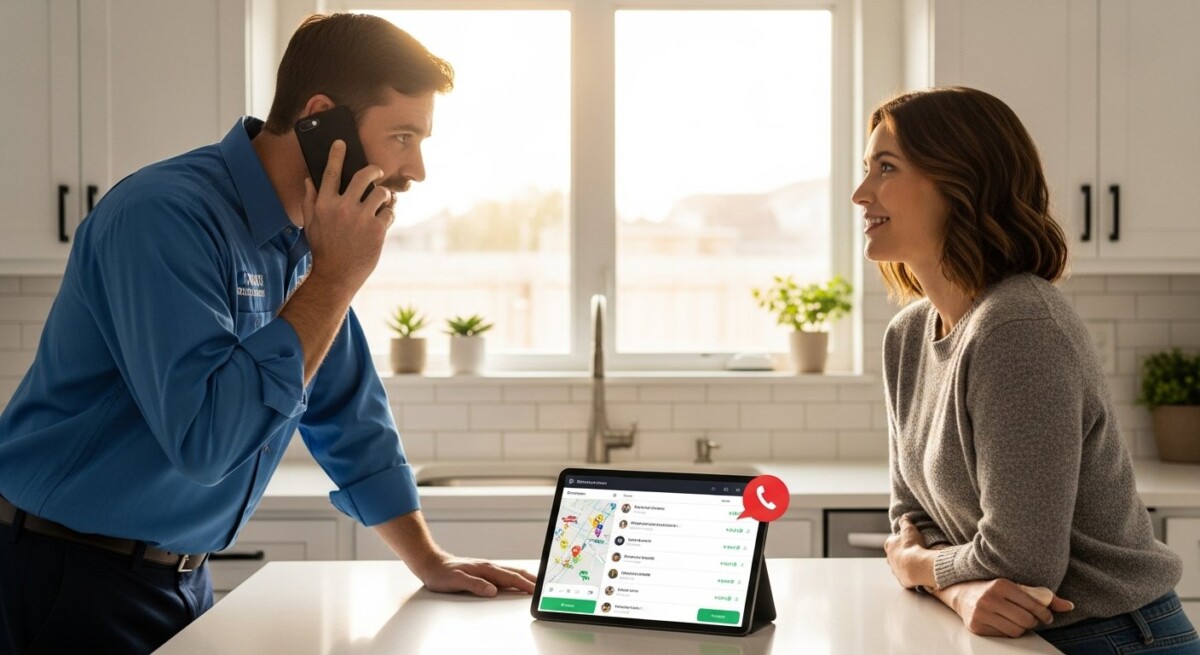
How Pay Per Call Services Drive High Quality Leads
For many businesses, the gap between digital marketing spend and actual revenue feels impossibly wide. Clicks can be automated, forms can be filled by bots, and email lists often sit untouched. Yet there is one signal that still carries real intent: an inbound phone call. When a prospect picks up the phone, they are already past the browsing stage. This is where pay per call services transform a standard traffic source into a direct revenue engine. Instead of paying for impressions or clicks that may never convert, advertisers pay only for a completed, qualified phone conversation. The model aligns cost with outcome, making it one of the most accountable advertising channels available today.
What Are Pay Per Call Services?
Pay per call services are a performance-based advertising model in which an advertiser pays a publisher or affiliate only when a consumer makes a phone call to a designated number. The call is tracked, recorded, and often filtered to ensure it meets specific criteria such as minimum duration or geographic relevance. This differs from traditional cost-per-click (CPC) or cost-per-impression (CPM) models where payment occurs regardless of whether a user takes meaningful action.
In practice, a home services company might partner with a pay per call network to generate calls from homeowners seeking emergency plumbing repairs. The network places targeted ads or listings across websites, search engines, or social media. When a user clicks a phone number or dials it directly, the call routes through a tracking system. The advertiser pays only for calls that last longer than a preset threshold, typically 60 seconds, ensuring that accidental dials or hang-ups do not incur charges. This structure gives advertisers confidence that their budget is spent on genuine leads, not noise.
For publishers and affiliates, pay per call services offer an attractive way to monetize traffic without relying on low-margin clicks. A publisher with a popular home improvement blog can display a click-to-call button for a roofing contractor and earn a commission for every qualified call generated. The revenue per call is often higher than a typical click commission because the lead is warmer and more likely to convert into a paying customer.
How Pay Per Call Advertising Works
The mechanics of pay per call advertising rely on three core components: call tracking, number allocation, and performance filtering. Every campaign begins with the advertiser defining their target audience, geographic area, and desired call criteria. The network then assigns unique phone numbers to each marketing channel or publisher. When a consumer calls that number, the system logs the source, duration, and outcome.
Advanced platforms like PayPerCall Marketing use dynamic number insertion (DNI) to swap phone numbers on a website in real time based on the visitor’s referrer or search terms. This allows granular attribution without requiring the user to remember a specific number. For example, if a visitor arrives from a Google Ads campaign, they see one number. If they arrive from a Facebook post, they see a different one. Each call is then credited to the correct traffic source.
Call filtering is another critical layer. Not every call is valuable. A misdial, a telemarketer, or a quick hang-up does not represent a genuine lead. Pay per call services typically apply filters such as minimum call duration, call recording verification, and geographic matching. Only calls that pass these checks are billed to the advertiser. This protects the advertiser from paying for low-quality interactions while rewarding publishers who send genuinely interested prospects.
Key Benefits for Advertisers
The primary advantage of pay per call services is the direct link between spend and qualified engagement. Unlike display advertising where a click could come from a curious browser with no purchasing intent, a phone call signals active interest. The conversation itself becomes a sales opportunity, often leading to higher close rates than web forms or email inquiries.
Another major benefit is budget control. Advertisers set their maximum cost per call and can cap daily or monthly spending. There are no surprise bills. Zero upfront commitments are common, meaning you only pay when results arrive. This makes pay per call accessible to small businesses with limited marketing budgets as well as large enterprises scaling their lead generation efforts.
Measurability is also strong. Every call can be recorded, transcribed, and analyzed for sales script adherence, customer sentiment, and conversion outcomes. Advertisers can test different ad copy, landing pages, and targeting parameters to see which combinations produce the highest call quality. Over time, this data helps refine campaigns for even better return on investment.
Additionally, pay per call advertising naturally filters out low-intent traffic. Because the barrier to action is higher than a click, the leads that come through are typically more serious. A homeowner who calls a locksmith at 10 PM is far more likely to book a service than someone who clicks a banner ad during lunch.
How Publishers and Affiliates Benefit
For publishers, pay per call services represent a higher-revenue alternative to traditional display or pay-per-click monetization. A single qualified call can pay anywhere from a few dollars to over a hundred dollars depending on the industry and geographic market. Legal services, home improvement, healthcare, and financial services often have the highest payouts because the lifetime value of a customer is substantial.
Publishers also appreciate the simplicity of the model. Once a tracking number is placed on a site or within an ad, the system handles routing, recording, and reporting. There is no need to manage complex affiliate links or worry about cookie expiration. The call either happens or it does not, and the publisher is compensated accordingly.
Many networks provide creative assets such as banner ads, landing page templates, and call-to-action buttons to help publishers optimize their traffic. Some also offer exclusive offers or higher commissions for top-performing partners. This creates a partnership dynamic where both sides are incentivized to improve call quality and volume. In our detailed guide to pay per call publisher revenue and optimization, we walk through specific strategies for maximizing earnings while maintaining high lead quality.
Industries That Thrive With Pay Per Call
Pay per call services are not a one-size-fits-all solution, but they excel in industries where the purchase decision is urgent, high-value, or requires explanation. The following sectors consistently see strong results:
- Home services: Plumbing, electrical, HVAC, roofing, and pest control. These are typically urgent needs where consumers want to speak to someone immediately.
- Legal and financial services: Personal injury lawyers, bankruptcy attorneys, tax consultants, and mortgage brokers. These services involve complex decisions and high stakes, making a phone consultation essential.
- Healthcare: Dental clinics, dermatologists, addiction treatment centers, and urgent care facilities. Patients often call to verify insurance, ask about procedures, or book appointments.
- Automotive: Towing services, auto repair shops, and dealerships. A stalled car or a check engine light prompts an immediate call.
- Education and training: Trade schools, driving schools, and certification programs. Prospective students call to ask about schedules, tuition, and enrollment requirements.
In each of these verticals, the cost per call is justified by the high conversion rate and customer lifetime value. A $50 call for a roofing estimate that results in a $10,000 job is a strong return. The key is matching the call price to the potential revenue, which is something experienced networks help advertisers calculate.
Choosing a Pay Per Call Provider
Not all pay per call services are created equal. When evaluating a platform, advertisers and publishers should consider several factors. First, look at the network’s track record with your specific industry. A network that specializes in legal leads will have different publisher relationships and quality controls than one focused on home services. Ask for case studies or performance benchmarks.
Second, examine the technology stack. Does the platform offer dynamic number insertion, real-time call scoring, and fraud detection? Can it integrate with your existing CRM or analytics tools? The more transparent the data, the easier it is to optimize campaigns. For publishers, the ease of placing numbers and accessing reports matters. A clunky interface wastes time that could be spent scaling traffic.
Third, review the payment terms and minimum thresholds. Some networks pay weekly, others monthly. Some require a minimum number of calls before payout. Make sure these align with your cash flow needs. Additionally, check whether the network offers exclusivity or higher rates for top publishers. Google’s pay per call model for advertisers is one example of how search engines integrate call tracking into their ad platforms, but dedicated networks often provide more flexibility and higher payouts for specialized niches.
Optimizing Campaigns for Better Results
Simply launching a pay per call campaign is not enough. To maximize return, advertisers must continuously refine their approach. Start with targeting. Narrow your geographic radius to areas where your business can actually provide service. If you are a plumber in Austin, you do not want calls from Dallas. Use the network’s filtering tools to restrict calls to your service area.
Next, optimize your ad copy and landing pages. Emphasize urgency and clarity. Phrases like “Call Now for Same-Day Service” or “Speak to a Live Agent” outperform generic messaging. Test different call-to-action buttons and page layouts. Track which sources produce the longest calls and highest conversion rates. Shift budget toward those channels.
For publishers, the focus should be on traffic quality over volume. A hundred short calls from accidental clicks will not generate as much revenue as twenty engaged callers who stay on the line for two minutes. Use the network’s reports to identify which placements or keywords drive the best calls. Double down on those and cut underperformers. Many networks also provide performance tips and creative updates to help publishers stay competitive.
Finally, leverage call recordings. Listening to actual conversations reveals what customers ask, what objections arise, and how sales agents handle them. This intelligence can be used to train staff, adjust pricing, or refine marketing messages. How pay per call services boost lead quality is often a direct result of this feedback loop, where data from calls informs better targeting and better sales conversations.
Common Misconceptions About Pay Per Call
Some advertisers hesitate to adopt pay per call services because they believe the model is too expensive or too difficult to manage. In reality, the cost per call is often lower than the cost of acquiring a customer through other channels when you factor in conversion rates. A $30 call that closes at 50% yields a $15 cost per acquisition, which beats many digital ad campaigns.
Another misconception is that pay per call only works for large national brands. Small local businesses actually benefit the most because their service area is limited and their customers prefer speaking to a real person. A local dentist or HVAC company can dominate their zip code with a well-targeted call campaign. The technology has become affordable enough that even a solo practitioner can set up a campaign with a few hundred dollars.
Publishers sometimes worry that call tracking numbers hurt their website’s user experience. Modern systems use local or toll-free numbers that feel natural to visitors. Click-to-call buttons on mobile devices make the process seamless. When done right, the call option enhances the site’s utility rather than detracting from it.
Frequently Asked Questions
What is the difference between pay per call and cost per click?
Pay per call charges the advertiser only when a phone call occurs and meets quality criteria. Cost per click charges for every click on an ad, regardless of whether the user takes further action. Pay per call typically produces higher intent leads because the user must invest more effort to make a call.
How are calls tracked and verified?
Most pay per call services assign unique phone numbers to each traffic source. When a call comes in, the system logs the number dialed, call duration, caller ID, and recording. Filters then check for minimum duration, geographic match, and other criteria before the call is counted as billable.
Can I use pay per call for my local business?
Yes. Local service businesses such as plumbers, electricians, locksmiths, and dentists are ideal candidates. You can target specific zip codes or cities to ensure you only pay for calls from potential customers in your service area.
What industries have the highest payouts for publishers?
Legal services, especially personal injury, often pay the highest per call because the potential case value is large. Home services, healthcare, and financial services also offer strong payouts. Payouts vary by network and geography.
Do I need a website to run pay per call campaigns?
Not necessarily. Some networks place your ads on their publisher sites or directories. However, having a landing page or website gives you more control over the user experience and can improve conversion rates.
Getting Started With Pay Per Call
Pay per call services offer a direct path from marketing spend to revenue. The model removes the guesswork of click-based advertising by ensuring you pay only for real conversations with potential customers. For advertisers, this means better budget control, higher conversion rates, and actionable data from every call. For publishers, it means a scalable way to earn more from their traffic without relying on low-margin clicks.
Whether you are a roofing contractor looking for emergency leads or a content site owner wanting to monetize a home improvement audience, the infrastructure exists to connect both sides efficiently. Start by defining your goals, choosing a reputable network, and testing a small campaign. As you gather data, refine your targeting and messaging. Over time, pay per call can become one of the most reliable channels in your marketing mix.