
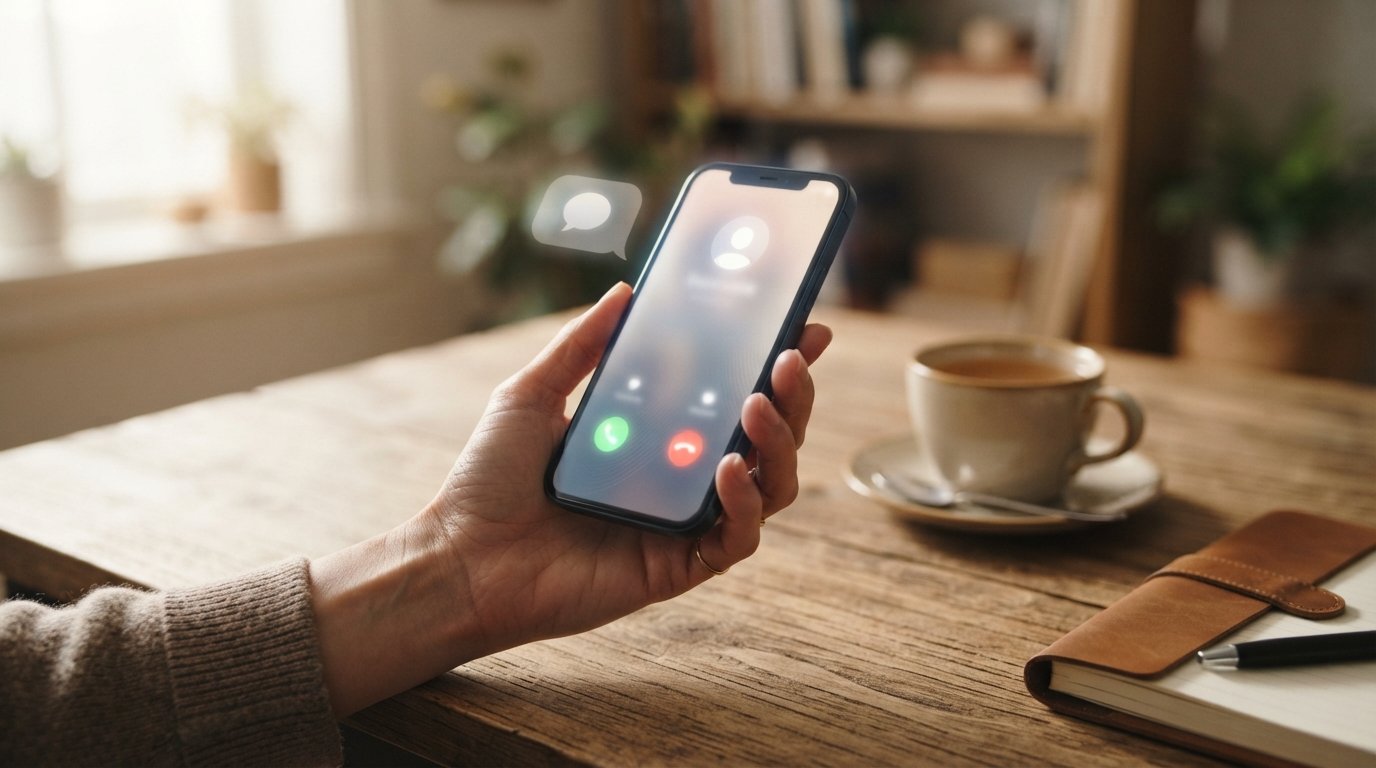
Mobile Caller ID and SMS Opt-In Timing for Pay Per Call
Optimize mobile caller identification and SMS opt in timing to boost appointments. Call (510)-663-7016 for expert guidance.

By Kaelani Frost
In pay per call advertising, every inbound call represents a potential customer, but the value of that call often extends far beyond the initial conversation. Mobile callers, in particular, are a dominant force: in service categories like home improvement, insurance, legal, and healthcare, the majority of inbound calls originate from smartphones. These callers expect seamless follow-up, and SMS has become the preferred channel for confirming appointments, sharing quotes, and keeping the conversation alive. However, the timing of your SMS opt-in request is critical. Ask too early and you risk annoying the caller; ask too late and you may lose the opportunity entirely. This article explores the nuances of mobile caller identification and SMS opt in timing, offering practical guidance for advertisers and publishers who want to capture mobile callers for follow-up texts without appearing intrusive.
Why Mobile Callers Dominate Inbound Volume
Mobile devices have fundamentally changed how consumers search for and contact service providers. When a homeowner discovers a leak, needs a tow truck, or wants an insurance quote, the smartphone is the first tool they reach for. Studies consistently show that over 60 percent of calls to service businesses originate from mobile phones, and in some categories like emergency plumbing or roadside assistance, that figure can exceed 80 percent. This shift has profound implications for pay per call campaigns. Mobile callers are often in a state of immediate need, which makes them highly valuable leads, but they are also easily distracted and prone to abandoning the follow-up process if it requires extra effort.
The mobile nature of these calls also means that caller identification data is richer and more actionable. With the right call tracking platform, you can capture the caller's phone number, geographic location, device type, and even the time of day. This data enables you to personalize the SMS follow-up and send it at the optimal moment. But before you can send that text, you need explicit consent. Understanding when and how to ask for it is the cornerstone of a compliant and effective SMS strategy.
The Right Moment to Ask for SMS Opt-In During a Call
Timing is everything when it comes to SMS opt-in. The goal is to secure permission while the caller is still engaged and sees clear value in continuing the conversation via text. Based on extensive testing across pay per call campaigns, the most effective moment to ask is after you have established rapport and identified the caller's primary need, but before you present a solution or price. This typically occurs two to three minutes into the call, once the agent has confirmed the caller's name, location, and the nature of the problem. At this point, the caller feels heard and is more likely to agree to a follow-up text that will contain useful information.
For example, if a caller is requesting a quote for roof repair, the agent might say: "I can have a detailed quote sent to your phone within the next hour. Would it be okay if I send that as a text message?" This approach frames the opt-in as a benefit rather than a marketing ask. It also sets clear expectations about what the text will contain and when it will arrive. Avoid asking for consent at the very beginning of the call, before trust is established, or at the very end, when the caller is eager to hang up. The sweet spot is during the information-gathering phase, when the caller is actively problem-solving with you.
For more strategies on integrating SMS opt-in into your pay per call campaigns, see our guide on mobile callers and SMS opt-in in pay per call campaigns.
What to Send After the Call: Confirmation, Scheduling, or Quote Summary
Once you have secured opt-in, the content of your follow-up SMS should align with the caller's expectations and the nature of the inquiry. There are three primary types of follow-up messages, each suited to different stages of the customer journey. The first is a simple confirmation text, which acknowledges the call and provides a reference number or a summary of what was discussed. This works well for support calls or when the caller needs reassurance that their request has been logged. The second type is a scheduling link, which allows the caller to book an appointment or service visit directly from their phone. This is particularly effective for services that require an on-site visit, such as HVAC repair or pest control. The third type is a quote summary, which includes pricing details and next steps. This is common in industries like insurance or home remodeling, where the caller wants to review numbers before making a decision.
Regardless of the message type, include a clear call to action and make it easy for the recipient to respond or take the next step. Keep the text concise, use a friendly tone, and always include an option to opt out. For instance, a scheduling text might say: "Thanks for calling ABC Plumbing. Click here to book your appointment: [link]. Reply STOP to unsubscribe." This covers all bases: it provides value, respects preferences, and maintains compliance.
Respecting Opt-Out Requests and Keeping Records of Consent
Compliance is non-negotiable in SMS marketing. When a caller opts in, you must honor that consent and provide a straightforward way to opt out. Every follow-up text should include instructions such as "Reply STOP to unsubscribe" or "Text HELP for help." If a recipient replies STOP, you must immediately cease all SMS communication and ensure that the number is added to your internal do-not-contact list. This is not just a legal requirement under regulations like the Telephone Consumer Protection Act (TCPA); it is also essential for maintaining trust and protecting your brand reputation.
Equally important is keeping detailed records of consent. Document the date, time, and method by which the caller opted in, as well as the exact language used. This documentation can be invaluable if a dispute arises or if you are audited by a regulatory body. Many call tracking platforms, including the one offered by Astoria Company, include features for logging consent and managing opt-outs, making it easier to stay compliant while scaling your campaigns. By integrating consent management into your call flow, you demonstrate a commitment to transparency and customer respect, which ultimately strengthens the relationship.
Measuring Whether SMS Follow-Up Lifts Booked Appointments
To determine the effectiveness of your SMS follow-up strategy, you need to measure its impact on key outcomes such as booked appointments, conversion rates, and customer satisfaction. Start by establishing a baseline: track the percentage of callers who book an appointment without any SMS follow-up. Then, introduce SMS opt-in for a segment of your traffic and compare the results. Use unique tracking numbers or links in your text messages to attribute bookings directly to the SMS campaign. This allows you to calculate the incremental lift in appointments and revenue generated by the follow-up texts.
Beyond appointments, monitor engagement metrics such as reply rates, click-through rates on links, and opt-out rates. A high opt-out rate may indicate that your messages are too frequent or not relevant enough, while low engagement could mean that the timing or content needs adjustment. Regularly review these metrics and iterate on your approach. For example, you might test different send times (immediate vs. one hour after the call) or different message formats (plain text vs. rich media) to see what resonates best with your audience. Over time, this data-driven approach will help you refine your mobile caller identification and SMS opt in timing to maximize ROI.
Best Practices for Seamless SMS Integration in Pay Per Call
Integrating SMS follow-up into your pay per call campaigns requires coordination between your call center agents, your marketing team, and your technology stack. Here are some best practices to ensure a smooth experience for both callers and your internal teams:
- Train agents on consent language: Provide scripts and role-play scenarios so agents feel comfortable asking for opt-in in a natural, conversational way.
- Automate the opt-in process: Use your call tracking platform to automatically capture consent and trigger the SMS, reducing manual errors and ensuring timely delivery.
- Personalize the message: Include the caller's name and reference the specific service discussed to increase relevance and engagement.
- Monitor deliverability: Regularly check that your messages are being delivered and that links are working correctly, especially on mobile devices.
- Review compliance regularly: Stay up to date with regulations and audit your consent records periodically to avoid costly penalties.
By following these practices, you can turn a simple phone call into a multi-channel customer journey that drives higher conversion rates and stronger customer loyalty. Remember that the goal is not just to collect phone numbers, but to build a relationship that benefits both parties.
Mastering mobile caller identification and SMS opt in timing is a powerful way to extend the value of every pay per call interaction. By asking for consent at the right moment, sending relevant follow-up content, respecting opt-outs, and measuring results, you can create a seamless experience that feels helpful rather than intrusive. As mobile usage continues to grow, these strategies will become even more essential for advertisers and publishers looking to maximize their return on investment.