
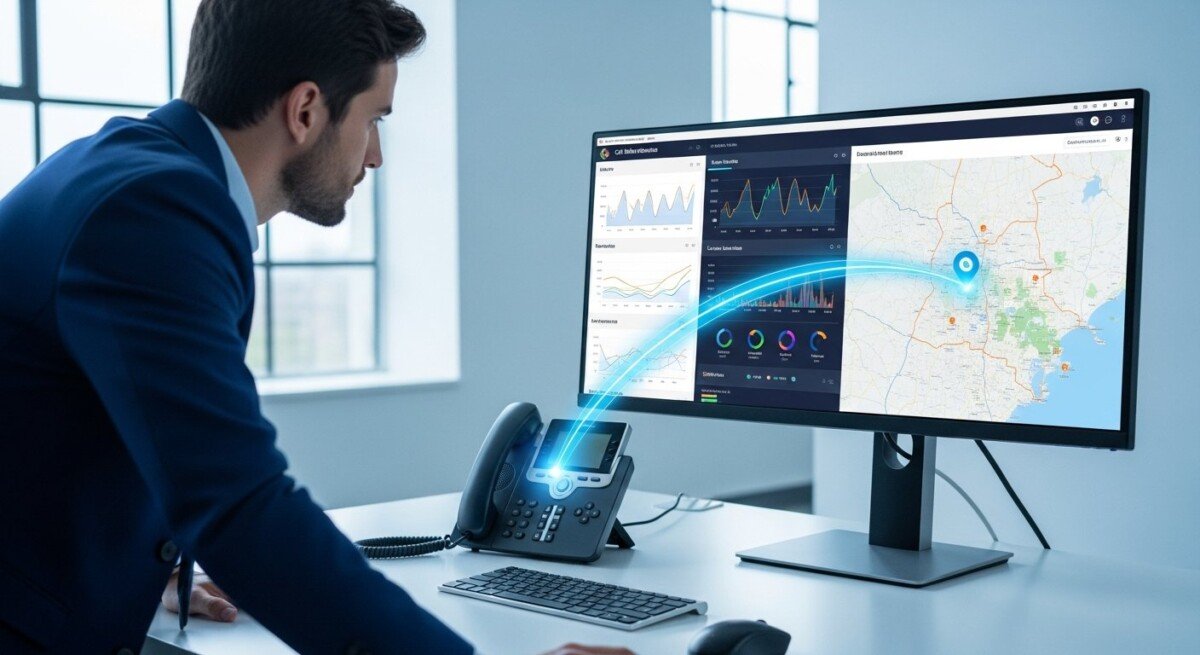
What Are Call Tracking Services and How Do They Work?
Call tracking services reveal which marketing efforts generate phone leads, turning unknown callers into measurable ROI. Implement them to optimize ad spend and boost conversions.

By Brielle Arden
You spend thousands on marketing campaigns, but when the phone rings, you have no idea which ad, keyword, or social media post prompted the call. This black hole of attribution isn’t just frustrating, it’s expensive. Call tracking services exist to solve this exact problem, transforming inbound phone calls from mysterious events into rich, actionable data. By assigning unique phone numbers to different marketing touchpoints, these platforms capture the entire customer journey, providing clarity on what truly drives conversions and revenue. For any business that relies on phone calls for leads, sales, or support, implementing a robust call tracking system is the critical first step toward genuine marketing accountability and significantly improved return on investment.
The Core Mechanics of Call Tracking
At its heart, call tracking is a method of marketing attribution specifically for voice communications. The process begins with dynamic number insertion (DNI), a technology that automatically displays a unique, trackable phone number on your website or digital ads based on the visitor’s source. For instance, a user who clicks a Google Ads link might see one phone number, while a visitor from an organic Facebook post sees another. This happens in real-time and is invisible to the user, ensuring a seamless experience.
When a call is placed to one of these tracked numbers, the service logs a wealth of data beyond just the phone number. It ties the call back to the specific marketing source, campaign, and even the keyword that initiated the session. Advanced services record the call itself (with compliance), transcribe the conversation, and analyze the content for keywords and sentiment. This creates a comprehensive profile of each caller, linking their digital footprint to their voice interaction. This data then flows into your analytics dashboard and CRM, closing the loop between marketing spend and tangible outcomes. For a deeper dive into selecting a platform, our resource on choosing the best call tracking for marketers outlines key evaluation criteria.
Key Features and Benefits for Modern Businesses
Modern call tracking services offer a suite of features that extend far beyond simple source attribution. These tools provide actionable intelligence that can reshape marketing strategies and sales processes. The primary benefit is, of course, accurate attribution, which allows you to stop wasting budget on underperforming channels and double down on what works. But the advantages run much deeper.
By analyzing call data, businesses gain insights into customer intent and behavior that are impossible to get from web analytics alone. You can understand the questions asked, the objections raised, and the specific needs expressed during conversations. This intelligence is invaluable for refining ad copy, improving website messaging, and training sales teams. Furthermore, integrating call data with tools like Google Analytics and major CRM platforms creates a unified view of the customer journey, from first click to final sale.
The most impactful features of a comprehensive call tracking service include:
- Dynamic Number Pooling: Automatically rotates and assigns numbers from a pool to accurately attribute calls without exhausting number inventory.
- Call Recording and AI-Powered Transcription: Provides a searchable record of conversations for quality assurance, training, and compliance.
- Conversation Analytics: Uses AI to score calls, detect keywords, and measure sentiment to identify high-value leads and sales opportunities.
- CRM and Analytics Integration: Seamlessly pushes call data and recordings into platforms like Salesforce, HubSpot, and Google Analytics for a holistic view.
- Real-Time Reporting and Dashboards: Offers instant visibility into call volume, source, duration, and outcome across all campaigns.
Strategic Applications Across Industries
The utility of call tracking is not limited to one sector, it is a versatile tool for any business where phone calls are a key conversion point. In legal marketing, for example, where a single phone call can represent a high-value case, attributing that call to a specific PPC ad or content piece is crucial for calculating client acquisition cost and ROI. Healthcare providers use it to determine which health campaign or directory listing generates the most patient appointments, optimizing their community outreach.
Home services companies, such as plumbers, HVAC technicians, and roofers, rely heavily on phone leads. Call tracking helps them understand whether their Google Local Services Ads, Yelp profile, or direct mail flyer is the most effective. E-commerce businesses with high-consideration products often use call tracking for their customer service lines to link support calls back to the original product page or ad, revealing potential issues or information gaps. The common thread is the need to connect marketing efforts to real human conversations, a capability that is central to performance marketing. Effectively leveraging this data is a cornerstone of building ROI-focused campaigns that truly deliver.
Implementing Call Tracking: A Step-by-Step Framework
Successfully deploying a call tracking service requires careful planning and execution. A haphazard implementation will lead to incomplete data and flawed insights. The first step is to define your specific goals. Are you aiming to measure ROI from specific ad campaigns, improve sales conversion rates from calls, or enhance customer service? Your goals will dictate which features are most important and how you structure your number assignments.
Next, you must map your customer journey and identify all the touchpoints where a phone number is displayed. This includes your website (potentially on every page), paid search ads, social media profiles, print directories, offline billboards, and TV commercials. Each unique source that you wish to measure independently should receive a unique tracking number. For your website, you will implement dynamic number insertion via a JavaScript snippet, ensuring that the number changes based on the visitor’s origin. It is critical to work with a provider that offers robust support during this technical setup phase.
Once implemented, the focus shifts to data analysis and action. Regularly review your dashboards to identify top-performing channels and underperforming assets. Listen to call recordings to understand customer sentiment and agent performance. Use conversation analytics to spot common questions that could be answered on your website, thereby improving the user experience and potentially reducing call volume for simple inquiries. The cycle of measurement, analysis, and optimization is what transforms call tracking from a reporting tool into a strategic engine for growth. This continuous improvement process is essential for any serious digital advertising strategy.
Frequently Asked Questions
Is call tracking legal and compliant with regulations? Yes, but compliance is paramount. In many regions, including the United States under the TCPA and states like California with the CCPA, you must inform callers that their call may be recorded. Reputable call tracking services provide features to automatically play a compliance message at the start of a recorded call. It is your responsibility to understand and adhere to the laws in your jurisdiction and industry.
How does call tracking handle privacy and data security? Leading providers treat call data as highly sensitive information. They employ enterprise-grade security measures such as data encryption in transit and at rest, secure data centers, and strict access controls. When evaluating vendors, inquire about their data security certifications, privacy policies, and data retention practices.
Can call tracking integrate with my existing tools? Integration capability is a key differentiator. Most professional-grade call tracking services offer direct integrations with major marketing and sales platforms like Google Ads, Microsoft Advertising, Meta, Google Analytics 4, Salesforce, HubSpot, and Zoho. They also typically provide a robust API for building custom connections to proprietary or niche software.
What is the difference between static and dynamic number tracking? Static tracking assigns a permanent, unique number to a single marketing source (e.g., one number for a billboard, another for a magazine ad). Dynamic tracking, which is used for online sources, uses a pool of numbers and JavaScript to swap the number displayed on a website in real-time based on the visitor’s source, providing session-level accuracy.
How much do call tracking services typically cost? Pricing models vary. Common structures include a monthly subscription fee based on the number of tracked phone numbers and minutes of call recording used, plus a per-minute charge for inbound calls. Some may charge based on call volume or feature tiers. It’s essential to understand the full pricing model, including any setup fees or overage charges, before committing.
Adopting a call tracking service is no longer a luxury for phone-centric businesses, it is a fundamental component of a data-driven marketing strategy. The insights gleaned from connecting online marketing efforts to offline conversations provide an unparalleled level of clarity. This clarity empowers you to make smarter budgeting decisions, optimize campaigns with confidence, and ultimately, drive more high-quality leads and sales. By treating every phone call as a measurable data point, you unlock the true potential of your marketing investment and build a more responsive, effective growth engine.